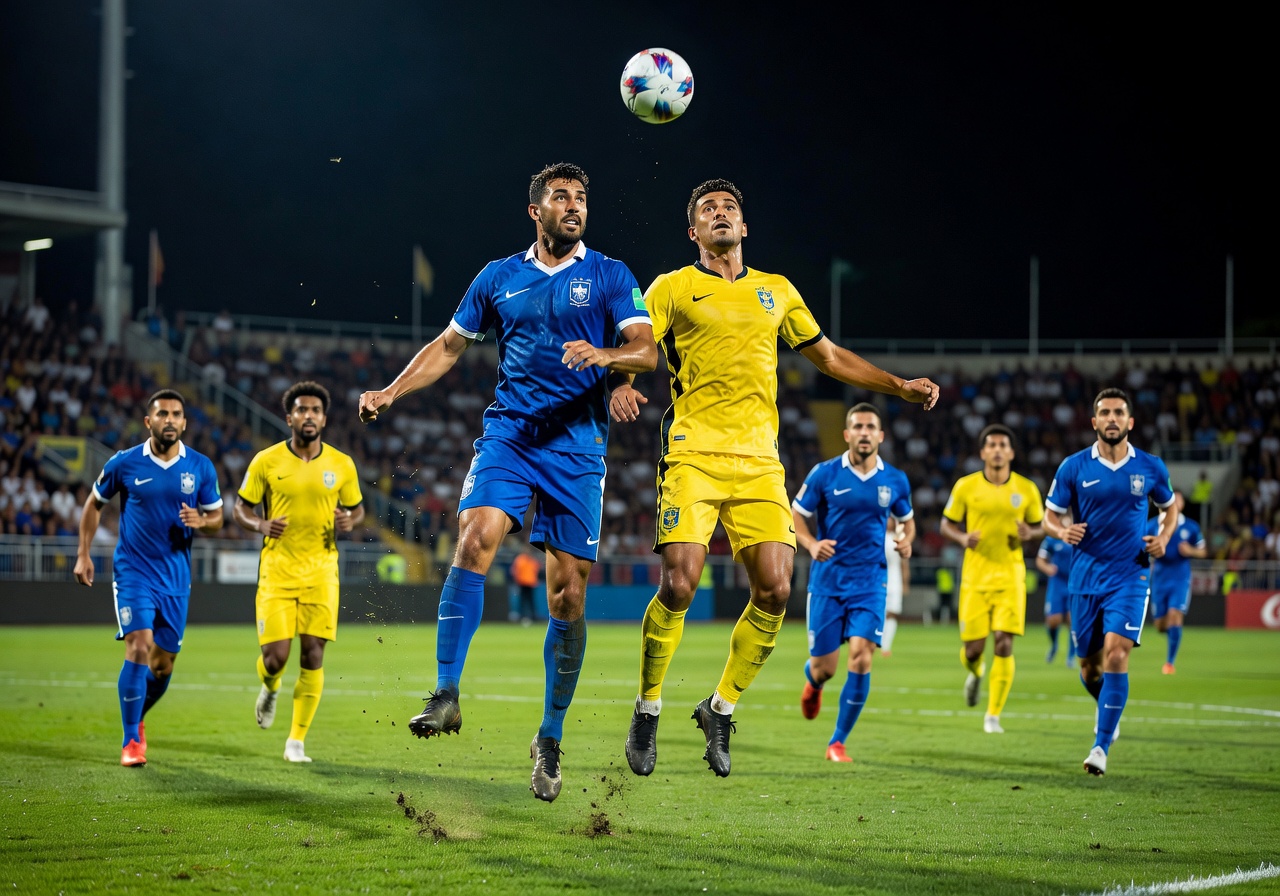
Who will lift the FIFA World Cup at MetLife Stadium on 19 July 2026? The expanded 48-team tournament promises more surprises than any World Cup in history, but the ultimate prize is still most likely to be won by one of six elite contenders. We break them all down.
1. Argentina — Defending Champions
Argentina enter 2026 as the reigning world champions, and they remain our projected favorites. Under Lionel Scaloni, the Albiceleste have evolved from a Messi-dependent side into a genuinely balanced team. The defensive structure around Cristian Romero and Lisandro Martínez is elite, the midfield trio of De Paul, Mac Allister, and Enzo Fernández combines technique and physicality, and Julián Álvarez provides clinical finishing in the final third.
The big question is whether 38-year-old Messi can produce one final tournament masterpiece. The answer is almost certainly yes — Argentina have built a team that can win without requiring 90-minute heroics from their captain, freeing him to impact the biggest moments.
✅ Key Strengths
Tactical balance, tournament experience, Messi's game-defining brilliance, and a settled squad that knows how to win knockout football.
⚠️ Concerns
Aging core (Messi, Di María, Otamendi), questions about generational transition, and the pressure of being the defending champions.
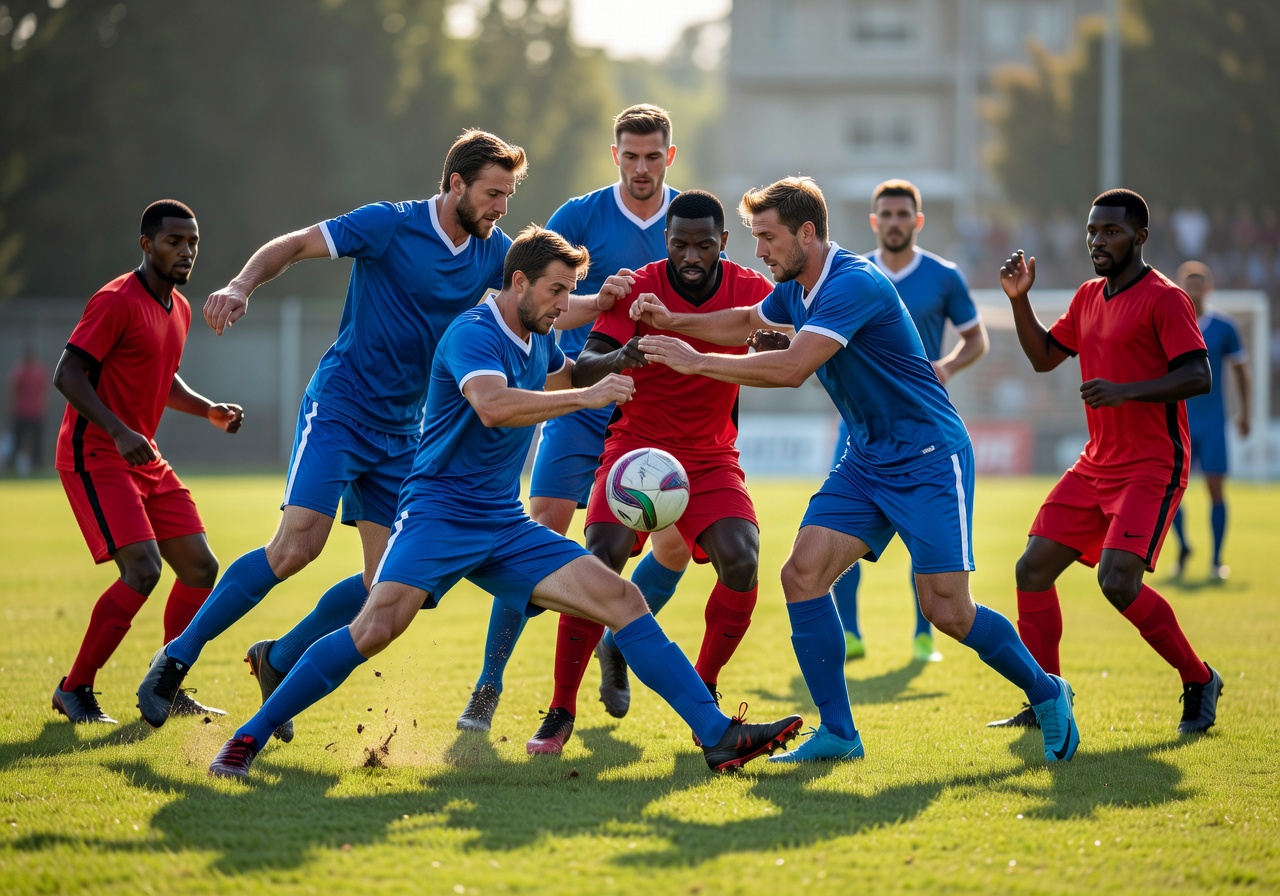 Coordinated pressing will be a defining tactical trait of the 2026 contenders
2. France — The Forever Favourites
France have reached the final in two of the last three World Cups, and Didier Deschamps's side arrive in North America with perhaps the most talented squad of any contender. Kylian Mbappé, now 27, is at the peak of his powers. Behind him, Aurélien Tchouaméni anchors a midfield featuring Eduardo Camavinga and Warren Zaïre-Emery. The defense, led by William Saliba and Dayot Upamecano, is world-class.
France's ceiling is the highest of any team in the tournament. Their floor, however, depends on squad harmony — a recurring issue in recent French camps. If Deschamps can keep egos in check, this France side is genuinely capable of becoming the first team since Italy (1934, 1938) to win three World Cups in eight years.
3. Brazil — Talent Looking for a System
Brazil have the most individually gifted attack in world football: Vinícius Jr., Rodrygo, Raphinha, Endrick, and the returning stars from the 2022 squad. The challenge, as always in recent years, is building a collective identity around these talents. Under Dorival Júnior, Brazil have returned to a more structured 4-2-3-1, emphasizing defensive balance and transition play.
The question mark remains central defense. Marquinhos needs a reliable partner, and the full-back positions lack the attacking quality Brazil's system traditionally relies on. If Brazil can solve their defensive questions, they are contenders for a sixth World Cup title. If not, another quarter-final exit looms.
4. Spain — The Young Giants
Euro 2024 champions Spain arrive at the World Cup with perhaps the most exciting young squad in the tournament. Lamine Yamal (18), Nico Williams (23), Pedri (23), and Fabián Ruiz have formed the core of a side that combines traditional Spanish possession football with modern vertical aggression under Luis de la Fuente.
Spain's defensive solidity — Rodri protecting a back four anchored by Le Normand and Laporte — gives them the foundation to compete with any team. The only concern is the striker position: Álvaro Morata remains the starter, but questions about clinical finishing in knockout games persist. Still, Spain are serious title contenders.
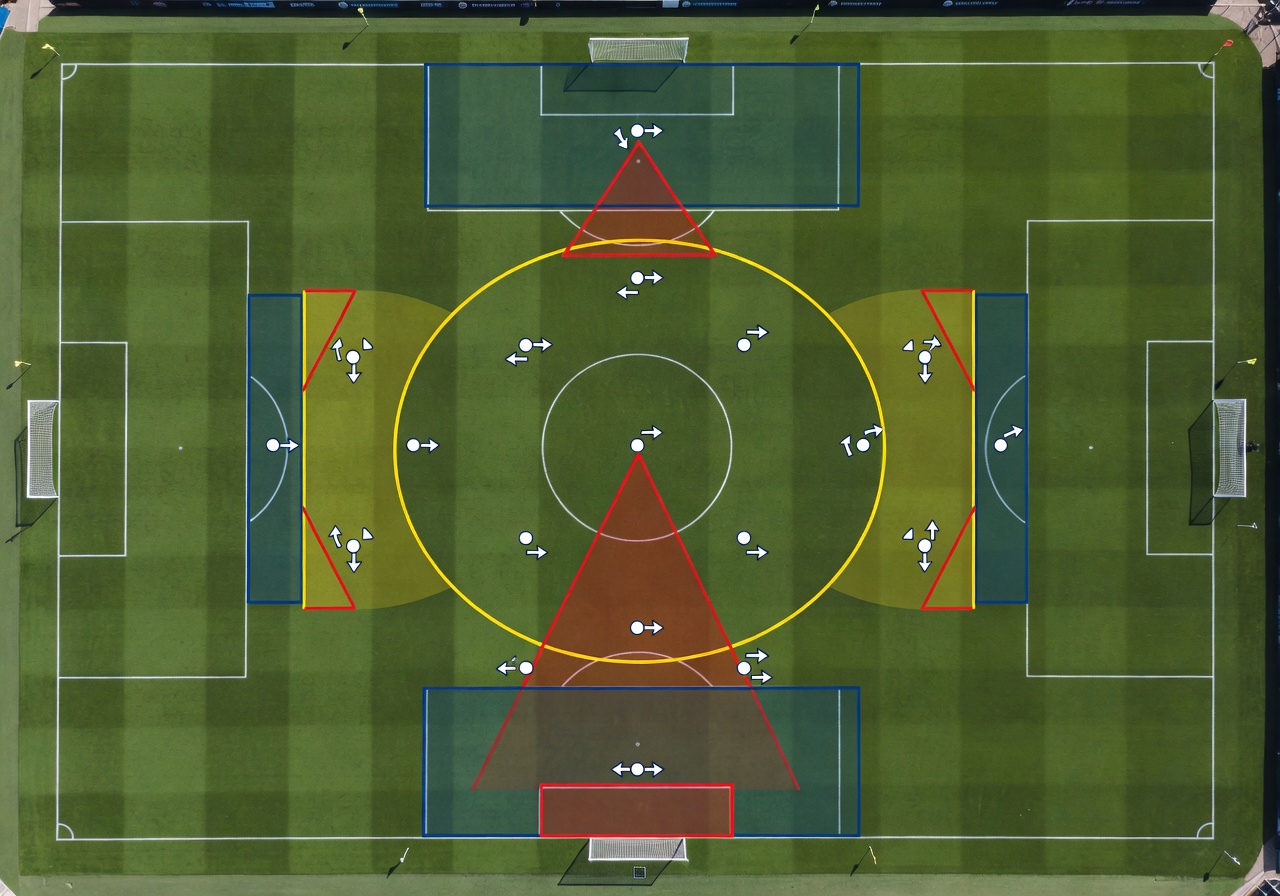 Tactical sophistication separates the World Cup elite from the rest
5. England — Finally?
England have reached a Euro final, a Euro semi-final, and a World Cup semi-final under recent managers. The talent is undeniable: Bellingham, Foden, Saka, Kane, Rice — a genuinely elite spine. The question, as always, is whether new manager Thomas Tuchel can unlock this group in a way previous managers could not.
Tuchel's appointment signals a tactical shift toward aggressive pressing and faster transitions — a contrast to Gareth Southgate's pragmatism. If England embrace a more proactive style, their ceiling is genuinely a World Cup final. The 2026 tournament may be Harry Kane's last realistic chance, adding weight to an already pressurized campaign.
6. Germany — Recovery Mode
After disastrous group-stage exits in 2018 and 2022, Germany are finally showing signs of genuine recovery. The Euro 2024 quarter-final run on home soil rebuilt confidence, and Julian Nagelsmann has constructed a team around Florian Wirtz, Jamal Musiala, and Kai Havertz that plays modern, vertical, aggressive football.
Germany's defense remains their biggest question — particularly the full-back positions. But their midfield creativity, led by Wirtz, is among the best in the tournament. A deep run is likely; a title is not out of the question.
Final Verdict: Who Wins?
Our projection model, weighing squad strength, tactical coherence, manager quality, and tournament pedigree, ranks the six contenders as follows:
Our projected final: Argentina vs France, with Argentina edging it in a tactical masterclass to become the first back-to-back World Cup winners since Brazil in 1962. But football is football — and the 2026 tournament, with its unprecedented scale, guarantees surprises.