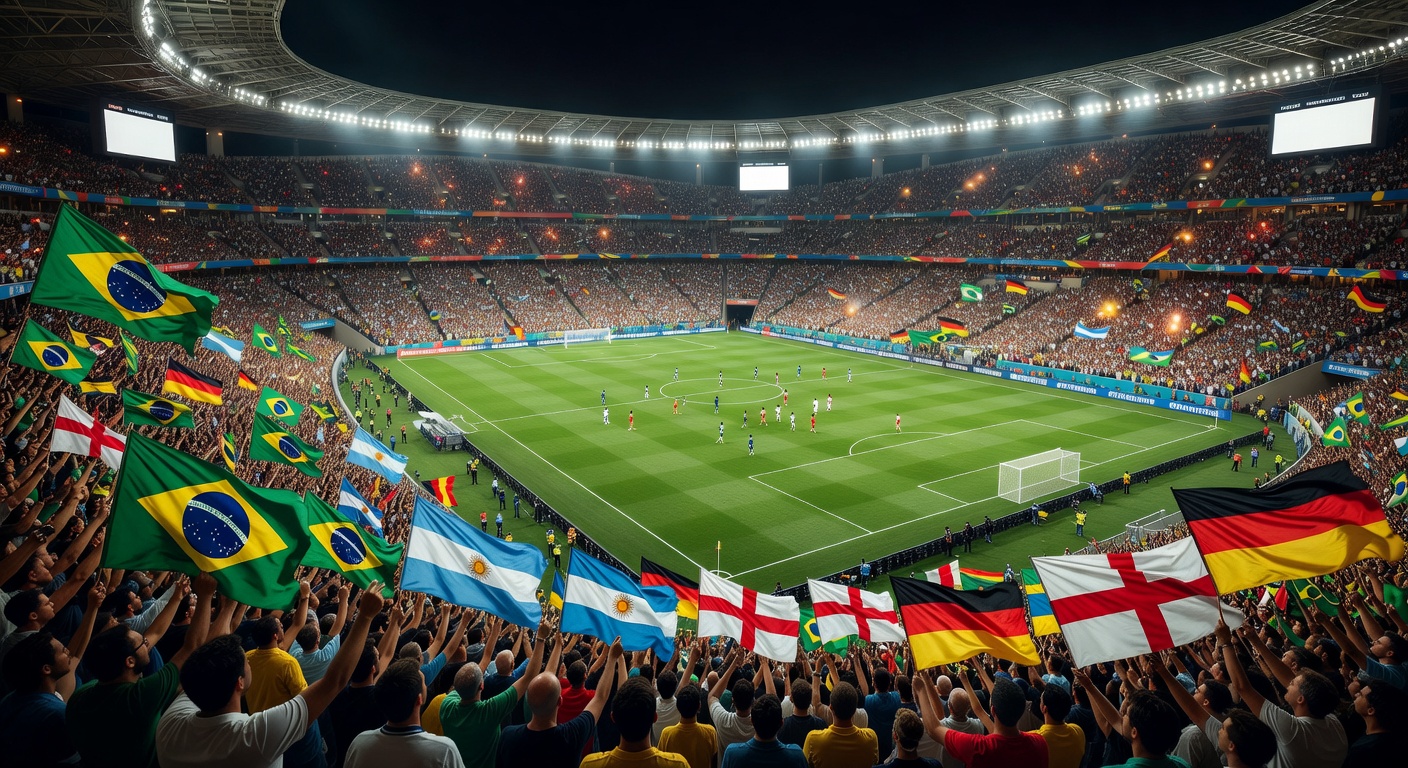
FIFA WORLD CUP 2026
World Cup 2026 Complete Tournament Analysis
The definitive breakdown of the first-ever 48-team World Cup. All 12 groups analyzed, tactical insights, knockout predictions, and the players who will define football history.
The definitive breakdown of the first-ever 48-team World Cup. All 12 groups analyzed, tactical insights, knockout predictions, and the players who will define football history.
The 2026 FIFA World Cup marks a historic expansion to 48 teams — making it the largest football tournament ever staged. Hosted across the United States, Canada, and Mexico, the tournament introduces a new group stage format with 12 groups of four teams. The top two from each group plus the eight best third-placed teams advance to a 32-team knockout round.
This expanded format creates unprecedented opportunities for emerging football nations while maintaining the competitive intensity that defines World Cup football. The geographic spread across North America means diverse playing conditions — from the altitude of Mexico City to the coastal humidity of Miami and the dry heat of Dallas.
12 groups of 4. Top 2 from each group + 8 best third-placed teams advance to the Round of 32. Single elimination thereafter through the Final.
16 venues across USA (11), Mexico (3), and Canada (2). Key stadiums include MetLife Stadium, SoFi Stadium, and Estadio Azteca.
Tournament runs from June 11 to July 19, 2026. 104 total matches — 72 in group stage, 32 in knockout rounds.
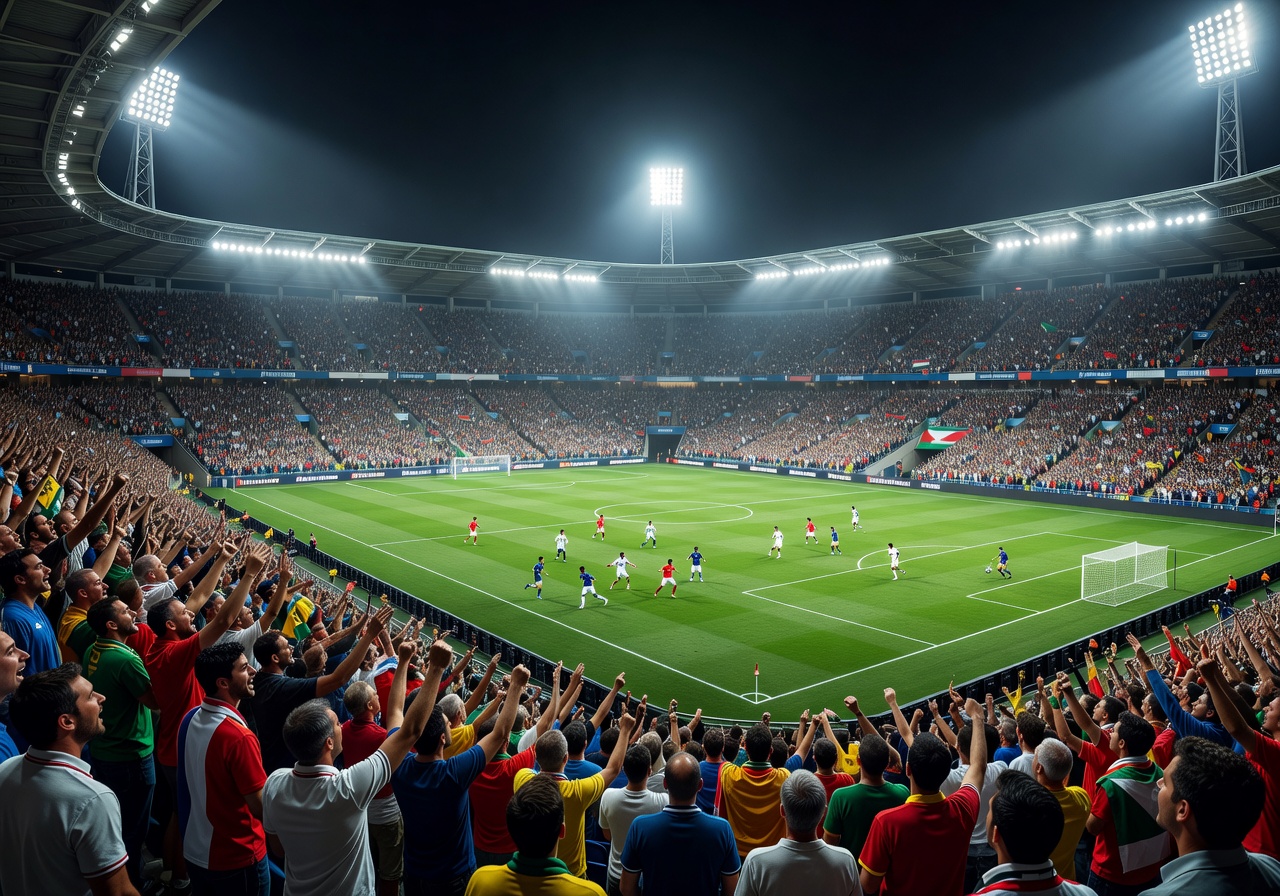
Deep tactical analysis for every group, team strengths, weaknesses, playing style, and predicted standings.
Match logic, tactical reasoning, and predicted winners from Round of 32 to the Final.
The expanded format introduces a Round of 32 for the first time in World Cup history. With top-two qualifiers from each group joining the eight best third-placed finishers, this stage will feature several asymmetric matchups. Group winners face third-placed qualifiers, creating potential mismatches but also opportunities for upsets. Teams carrying maximum points from the group phase — likely France, Argentina, Spain, Brazil, and England — will hold a psychological and tactical advantage entering knockout football.
By this stage, managers will have a clearer picture of squad form and tactical adjustments. Historical data suggests the highest-ranked teams typically advance here, but the expanded format introduces unknowns. Dark horses like Morocco, Japan, and Colombia could spring upsets against complacent favorites. Expected Round of 16 fixtures include France vs Netherlands, Argentina vs Portugal, and England vs Belgium — all potential classics.
The quarter-finals represent the true test of championship credentials. Squad depth, fitness conditioning, and tactical adaptability become decisive. Our analysis projects France, Brazil, Argentina, and Spain as the most likely semi-final qualifiers, with England and Germany close behind. North American climate and travel distances will favor teams with deeper squads — which benefits traditional powerhouses with wider player pools to rotate.
Our projection model places the most likely semi-finals as Argentina vs Spain and France vs Brazil. Argentina's balance of experience (Messi, Di María) and youth (Álvarez, Mac Allister) makes them serious contenders. France's counter-attacking power led by Mbappé remains the tournament's most direct scoring threat. Brazil's attacking talent and Spain's possession mastery could produce semi-finals worthy of a final.
Our predicted final: Argentina vs France, reprising the extraordinary 2022 Qatar encounter. Argentina's collective balance gives them a slight edge, though France's individual match-winners always carry the potential to change a final in moments. Regardless of the finalists, the 2026 World Cup final at MetLife Stadium is projected to attract an estimated global audience exceeding 5 billion viewers — the most-watched sporting event in human history.
Predicted Champion: Argentina — combining tournament pedigree, tactical balance, and squad harmony to become the first team to successfully defend the World Cup since Brazil in 1962.

Tactical Role: Left-sided forward operating as an inside forward or central striker. Impact: The most explosive forward in world football. His acceleration and one-on-one finishing make France the tournament's most dangerous counter-attacking team. A Golden Ball favorite.
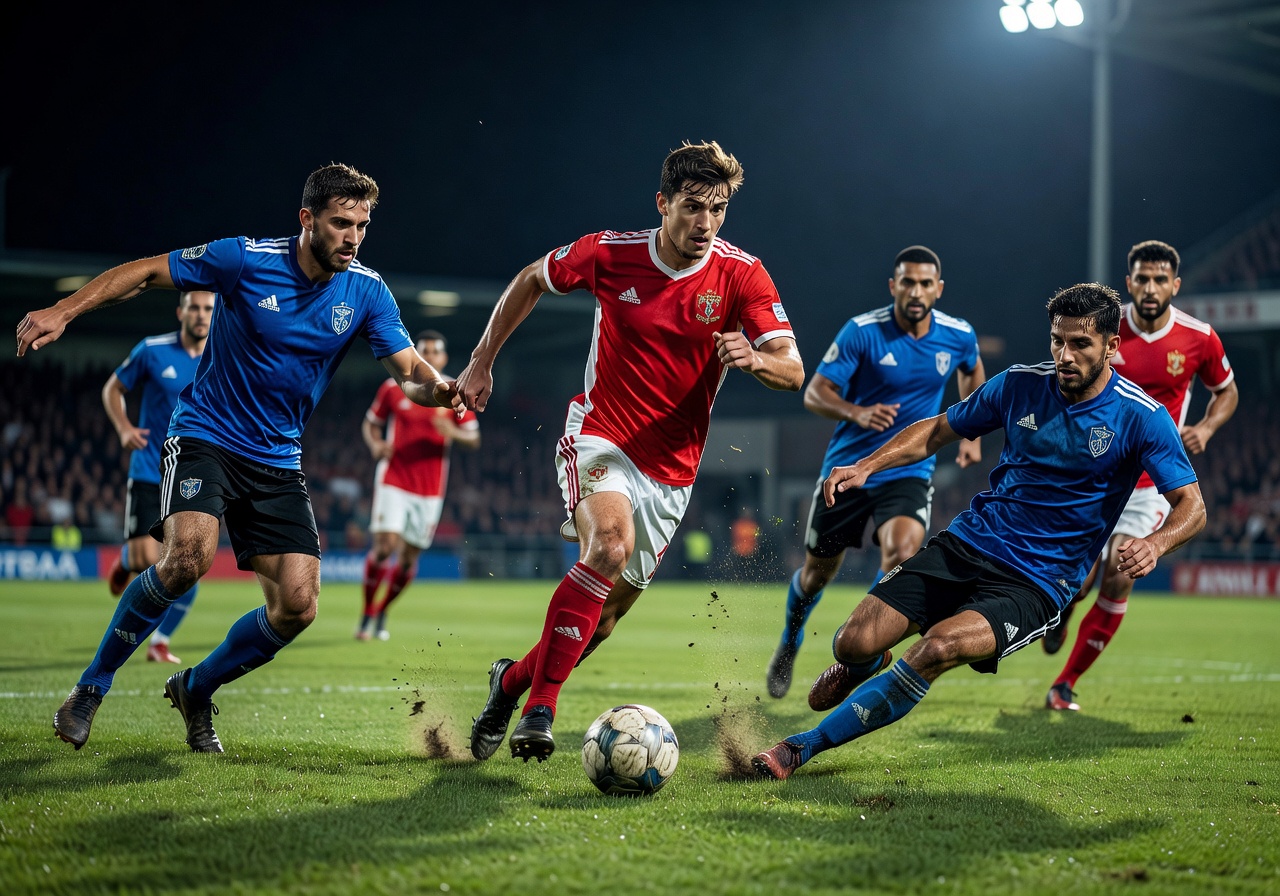
Tactical Role: Left-winger with license to cut inside and combine. Impact: Brazil's creative fulcrum and match-winner. His ability to beat defenders one-on-one and produce moments of individual brilliance makes him the tournament's most unpredictable threat.
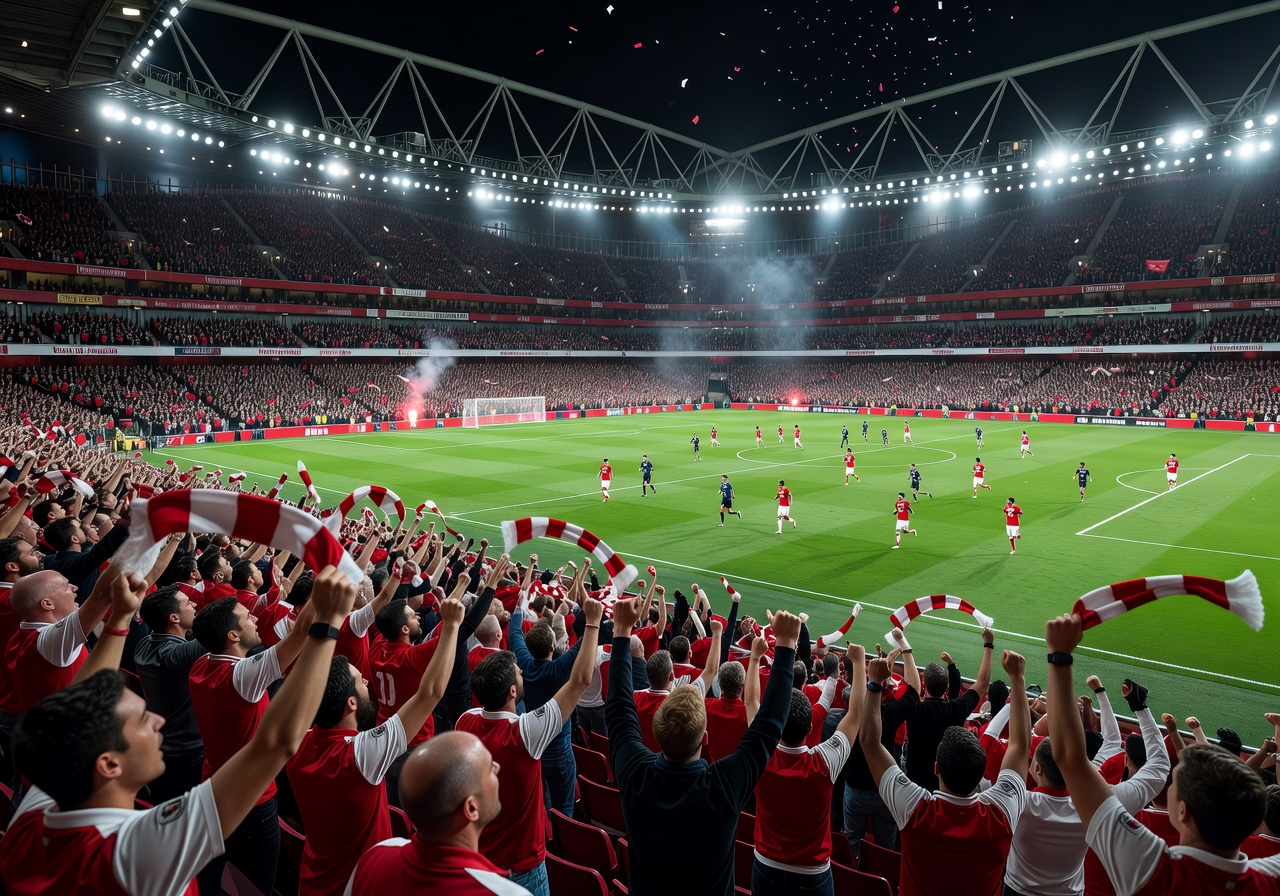
Tactical Role: Attacking #8 arriving late into the box. Impact: England's most complete midfielder combines box-to-box energy with clinical finishing. His ability to influence decisive moments makes England genuine contenders for a first World Cup since 1966.
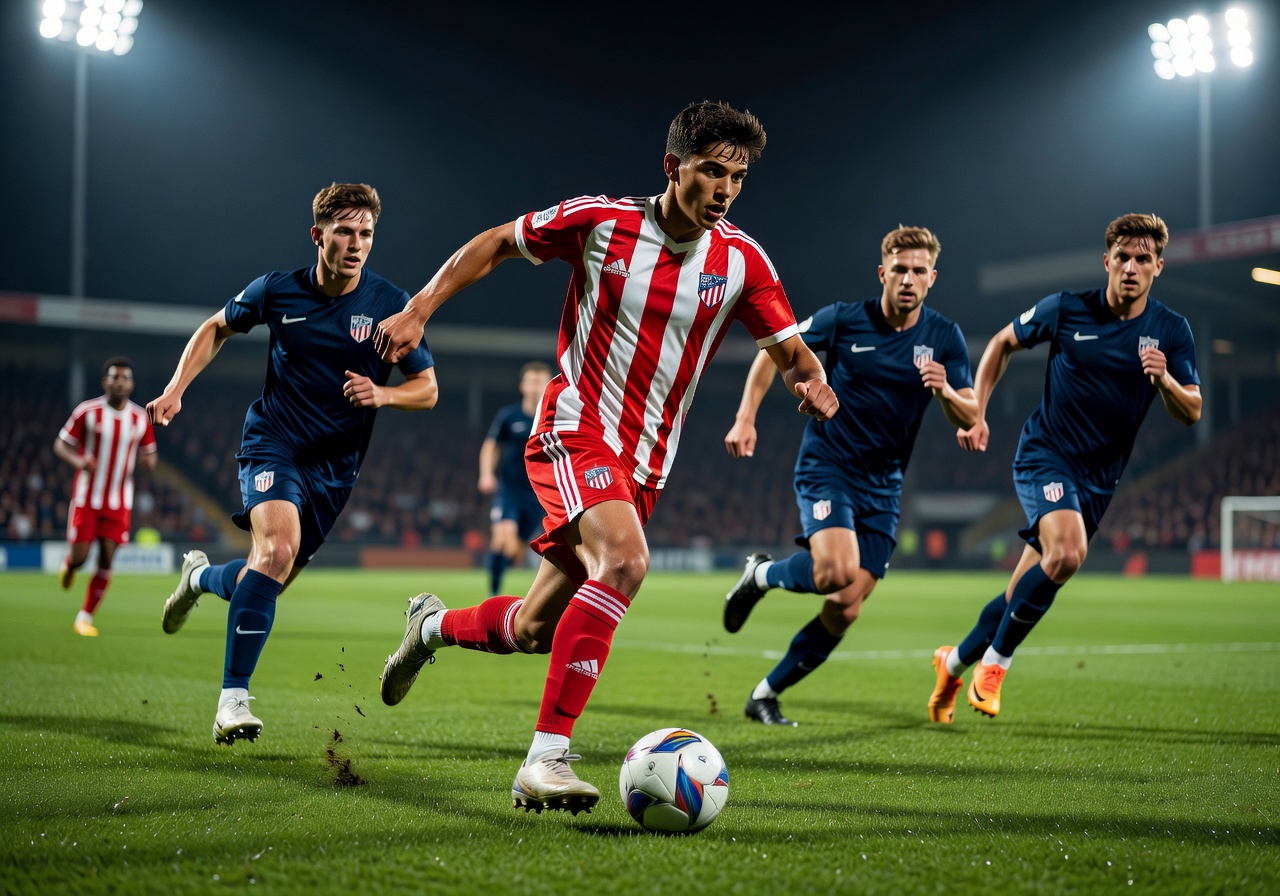
Tactical Role: Right-winger inverting into half-spaces. Impact: At just 18, Yamal is Spain's most creative force. His vision, dribbling, and fearlessness on the biggest stage suggest he could become the tournament's breakout star.
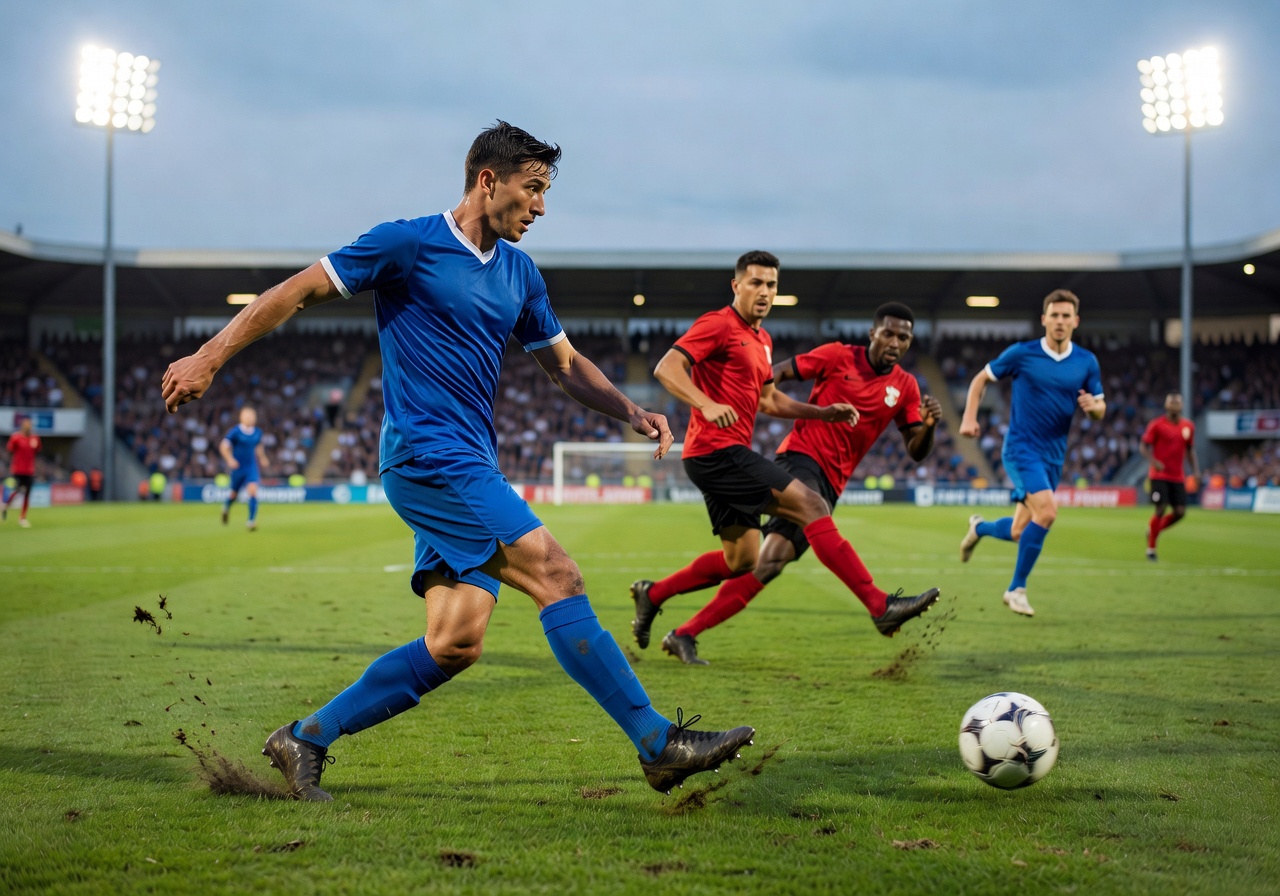
Tactical Role: Free-roaming false nine / #10. Impact: The defending champions' talisman will make his final World Cup appearance. His leadership, vision, and clutch-moment brilliance give Argentina psychological edge in knockout football.
Tactical Role: Left-sided interior midfielder. Impact: The metronome of Spain's possession game. If fit, Pedri's ability to progress the ball under pressure is the engine that drives Spain's title hopes.
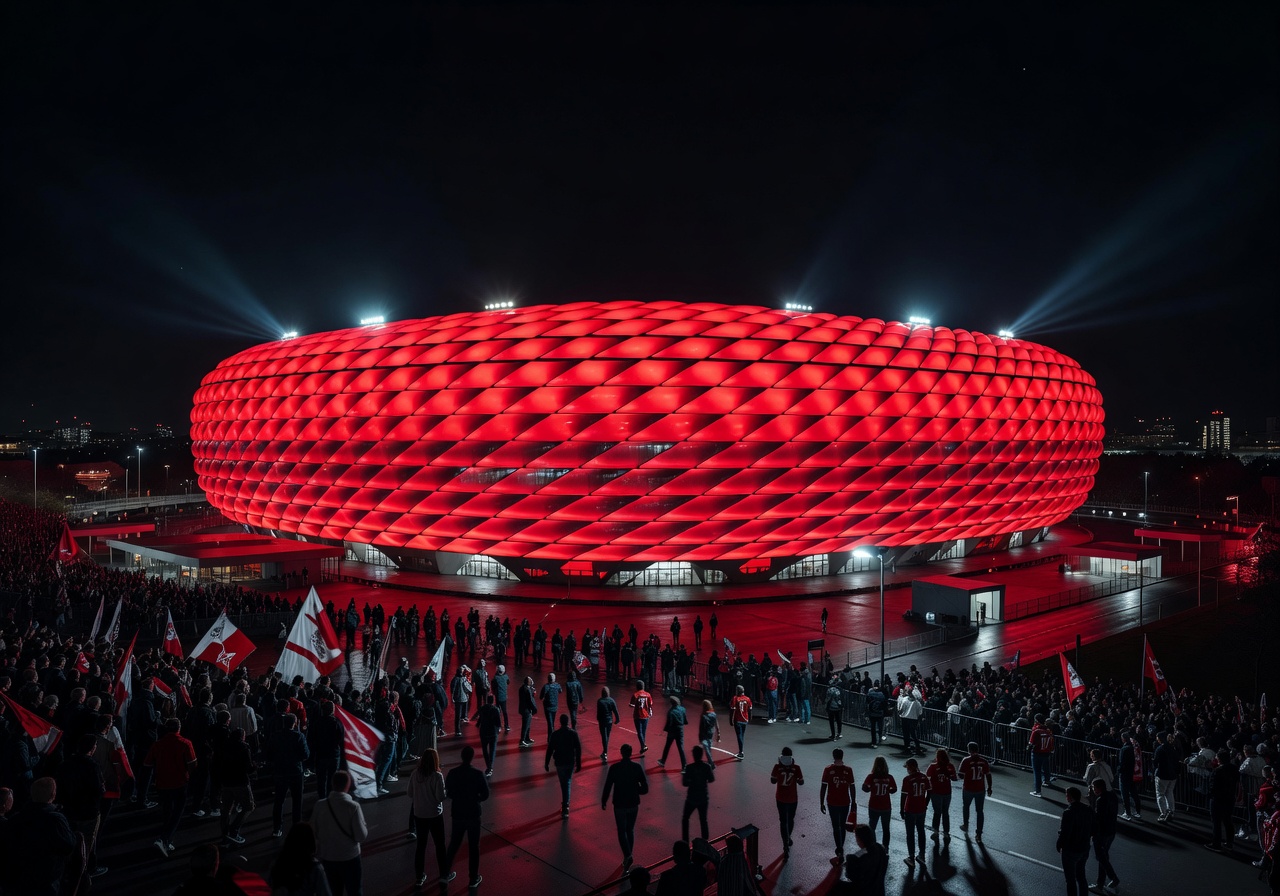
Tactical Role: Creative #10 between the lines. Impact: Germany's generational playmaker. His ability to unlock compact defenses with one pass is Germany's best asset in deep tournament runs.
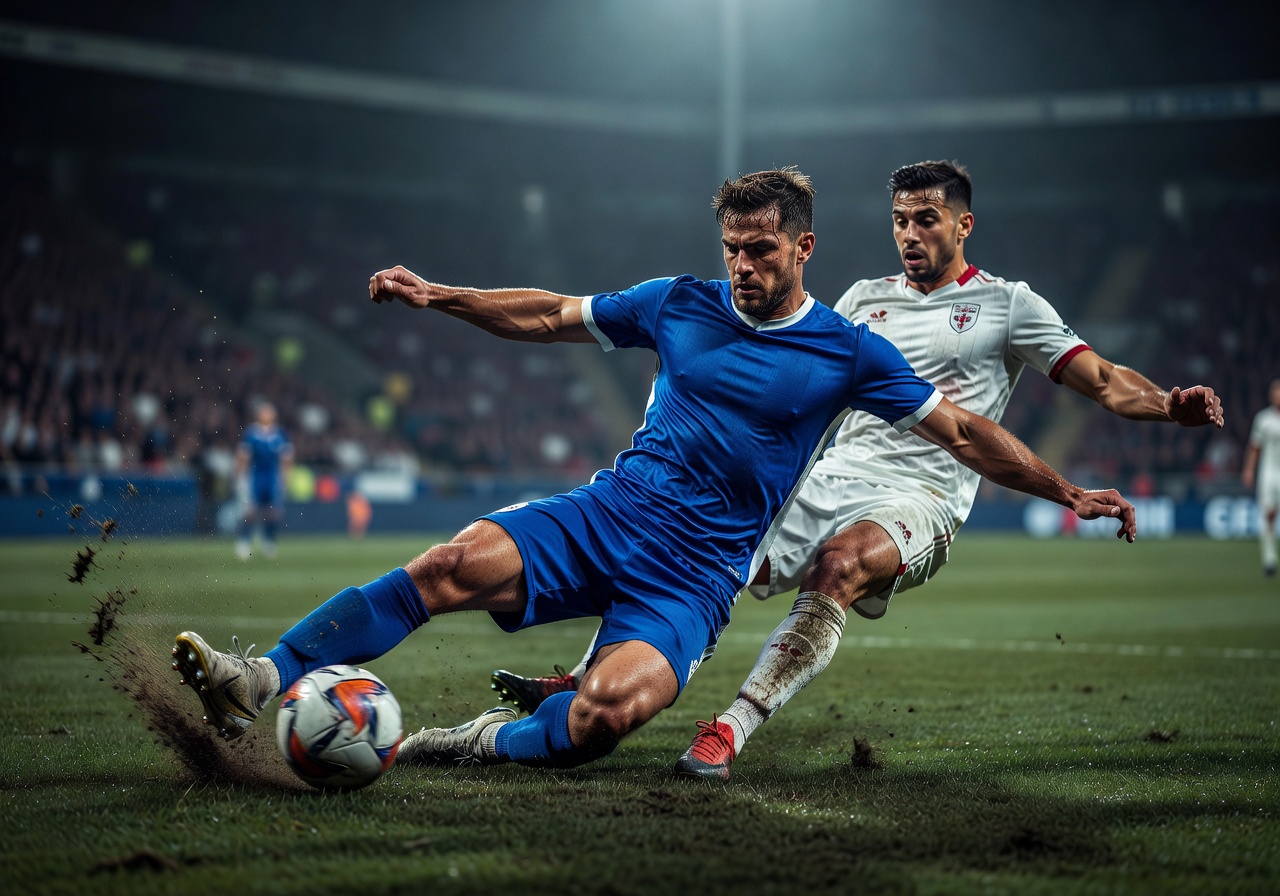
Tactical Role: Attacking right-back / wing-back. Impact: Morocco's captain and engine. After their 2022 semi-final heroics, Hakimi's leadership and two-way quality make Morocco the most dangerous African contender.