Tactical breakdowns, group stage analysis, knockout predictions, and player insights for the first 48-team FIFA World Cup β hosted across USA, Canada, and Mexico.
Key data points and tactical trends shaping the most expansive FIFA World Cup in history.
Expert tactical breakdowns, team previews, and statistical deep dives from our football intelligence team.
A comprehensive breakdown of every serious title contender for the 2026 FIFA World Cup. We analyze squad depth, tactical identity, qualification form, and key players for Argentina, France, Brazil, Spain, England, and Germany β identifying who is best positioned to lift the trophy on July 19, 2026, at MetLife Stadium.
Read Full Analysis β
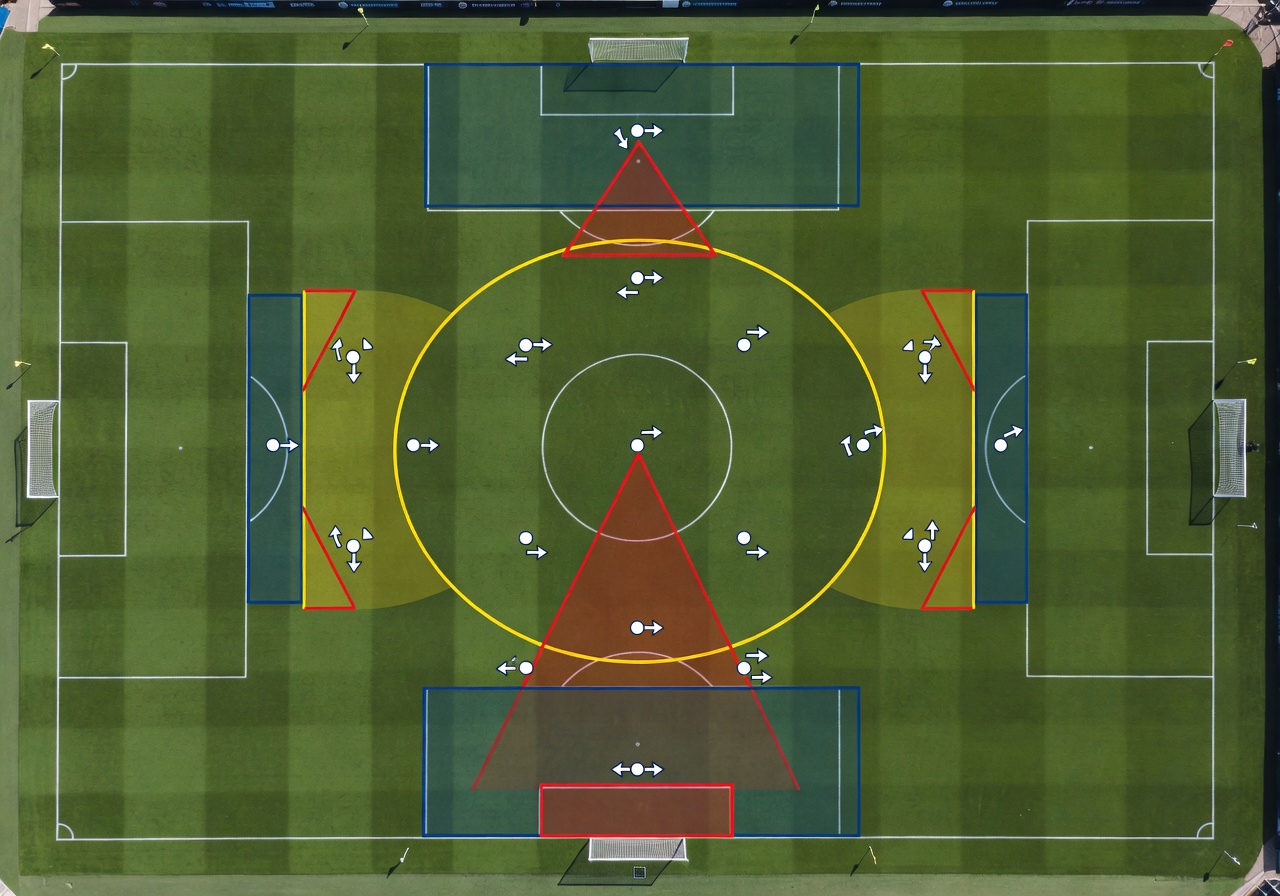
From high-pressing systems to inverted fullbacks, we break down the tactical innovations that will define the 2026 World Cup and how national teams are adapting club-level ideas to international football.
Read Full Analysis β
Profiling the under-23 talents β from Lamine Yamal to Jude Bellingham β whose performances could shape the tournament and announce a new generation of world football.
Read Full Analysis β
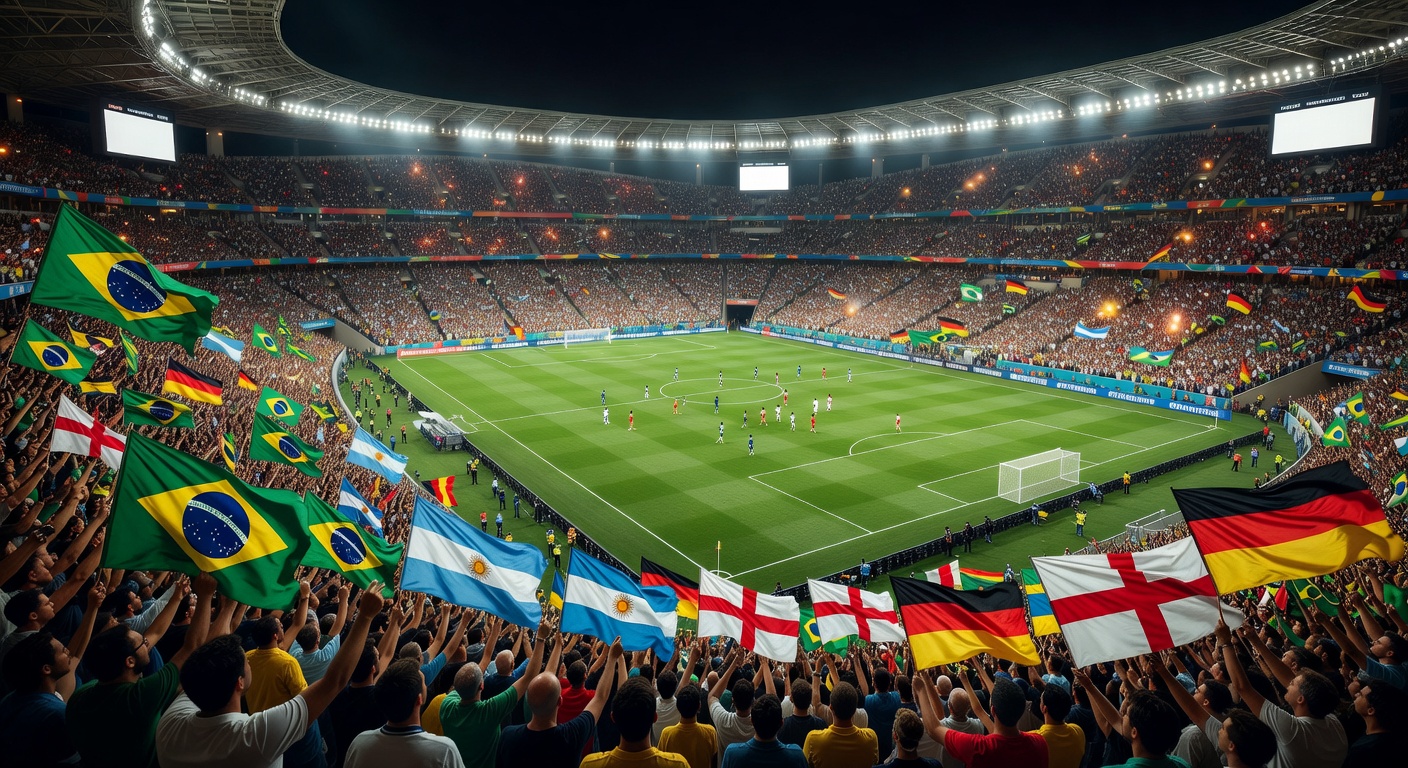
A detailed look at the 16 venues across the United States, Canada, and Mexico β examining climate, altitude, capacity, and which teams benefit most from the tournament's geographical spread.
Read Full Analysis β
Morocco, Japan, Senegal, and Colombia have all shown the qualities required to upset traditional powerhouses. We analyze which underdog nations are best positioned to reach the latter stages.
Read Full Analysis βThe 2026 FIFA World Cup is the first edition featuring 48 teams, expanding from the traditional 32-team format. Hosted across three nations β the United States, Canada, and Mexico β it will also be the first men's World Cup held across multiple host countries.
With 12 groups of four teams, a new Round of 32, and 104 total matches, the tournament introduces unprecedented scale while preserving the knockout drama fans expect. The top two teams from each group, plus the eight best third-placed finishers, advance to the Round of 32.
11 host cities including MetLife Stadium (New York/New Jersey) for the Final, SoFi Stadium, AT&T Stadium, and Mercedes-Benz Stadium.
3 host cities led by the iconic Estadio Azteca in Mexico City β the only stadium to host matches at three different World Cups.
2 host cities β Toronto's BMO Field and Vancouver's BC Place β marking Canada's first matches as a World Cup host nation.
The most influential footballers who could define the 48-team tournament.