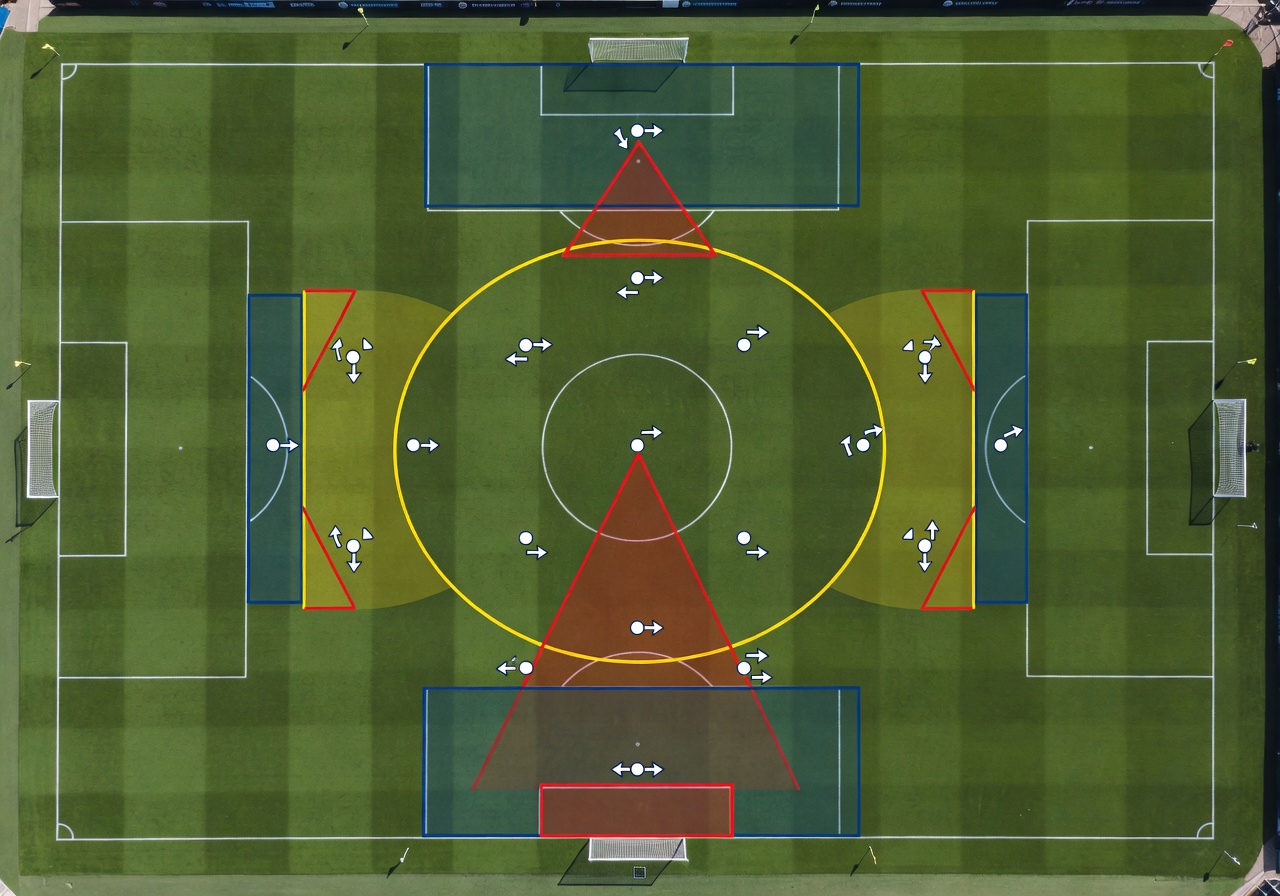
International football is no longer a decade behind club football. The 2026 World Cup will be the most tactically sophisticated tournament in history, with national team managers finally catching up to the innovations pioneered by Pep Guardiola, Jürgen Klopp, and Thomas Tuchel. Here are the five tactical trends that will define it.
1. High Pressing Becomes Standard
High pressing was once reserved for elite club teams with months of training together. That era is ending. At the 2026 World Cup, nearly every contender will arrive with structured pressing schemes — triggered by specific opposition actions, executed in coordinated units.
Argentina, Spain, Germany, and Uruguay will press aggressively from the front. Even traditionally cautious nations like Portugal and Italy have adopted more proactive defensive systems. The teams that cannot build out through a press — historically, many African and Asian sides — will struggle more than ever.
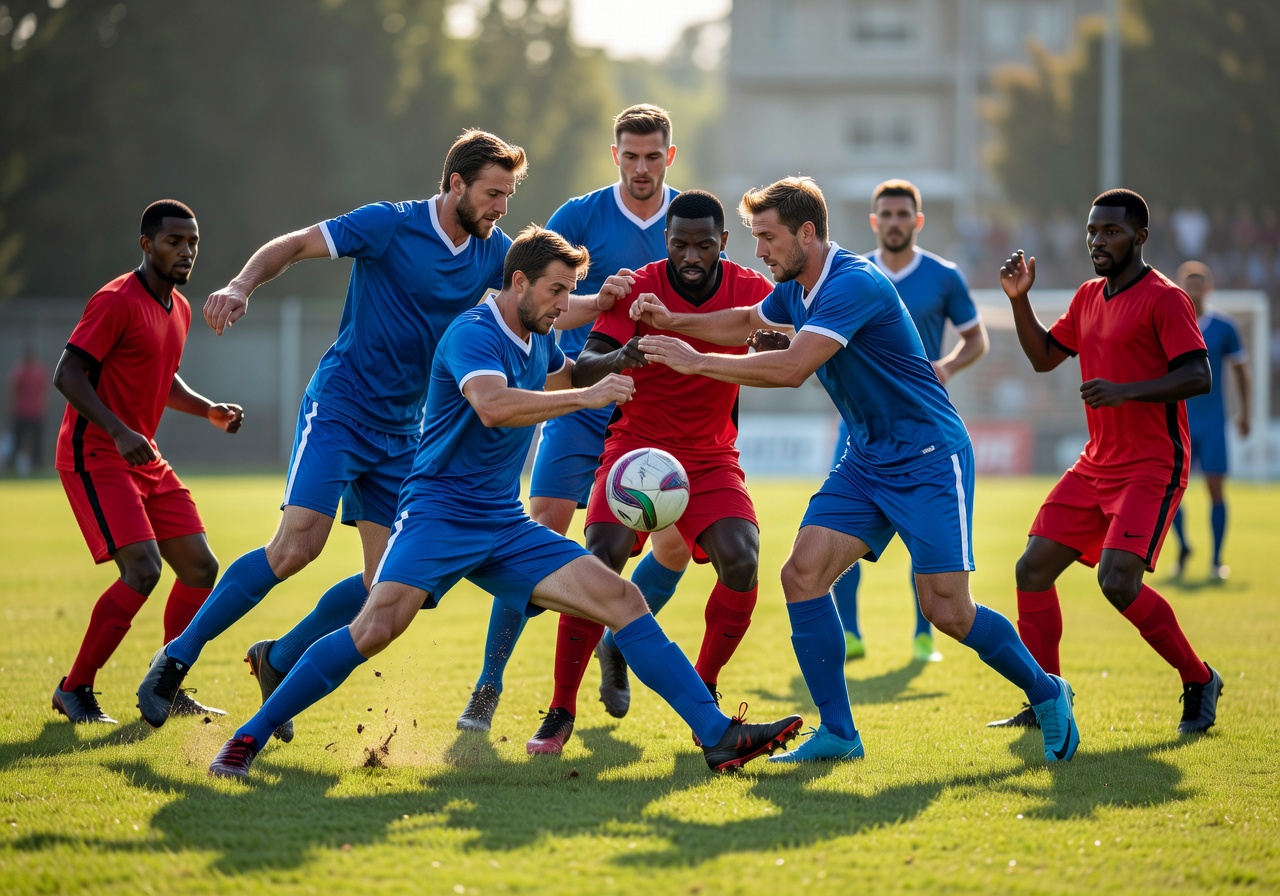 Coordinated pressing is now the default tactical approach at elite level
2. Inverted Fullbacks at International Level
Guardiola's inverted-fullback revolution has finally reached international football. At the 2026 World Cup, expect to see Spain, Germany, and France all deploy variants of this system — with fullbacks tucking inside into midfield during possession to create 3-2-5 attacking shapes.
The challenge is execution: this system requires intelligent, technically gifted fullbacks who can operate as hybrid midfielders. Not every nation has these players. The teams that do — and that have trained the system thoroughly — will dominate midfield in crucial moments.
3. Three-at-the-Back Flexibility
Three-at-the-back formations — particularly 3-4-2-1 and 3-5-2 — will feature more prominently than at any previous World Cup. Belgium, Denmark, the Netherlands, and Italy all use back-three systems as their default, while France, Germany, and Brazil can all switch between back-four and back-three mid-match.
The tactical benefit is clear: three center-backs provide defensive security against counter-attacks while enabling wing-backs to deliver width and attacking thrust. In a tournament where tactical flexibility matters more than ever, back-three systems offer managers the switchability they need.
4. The Return of the #10 — Evolved
The classic #10 role was declared dead for a decade. It's back — but transformed. Modern playmakers like Florian Wirtz, Jude Bellingham, and Pedri are #10s who also press aggressively, contribute defensively, and arrive in the box to score.
These hybrid creators unlock compact defenses in ways pure possession teams cannot. Against low blocks — a common sight at World Cups, where weaker teams defend deep — having a player who can produce moments of individual brilliance is essential. Expect Wirtz, Bellingham, Messi, and Pedri to produce defining tournament moments.
5. Set Pieces as the Great Equalizer
Set pieces have quietly become the most important underexploited tactical area in football. At the 2026 World Cup, expect set-piece goals to account for 30%+ of all goals scored — the highest share in tournament history. Arsenal's set-piece coach approach is being replicated by national teams worldwide.
For dark horses like Morocco, Japan, and Senegal, set pieces are the great equalizer — a way to neutralize superior opposition through organization and preparation rather than individual quality. Watch for innovative routines and specialized set-piece specialists emerging as tournament heroes.
Final Insight
The 2026 World Cup will reward tactical intelligence more than any previous edition. With the expanded 48-team format, 104 matches, and varied North American conditions, teams that can adapt — tactically, physically, mentally — will thrive. The teams that remain rigid will struggle, regardless of individual talent.