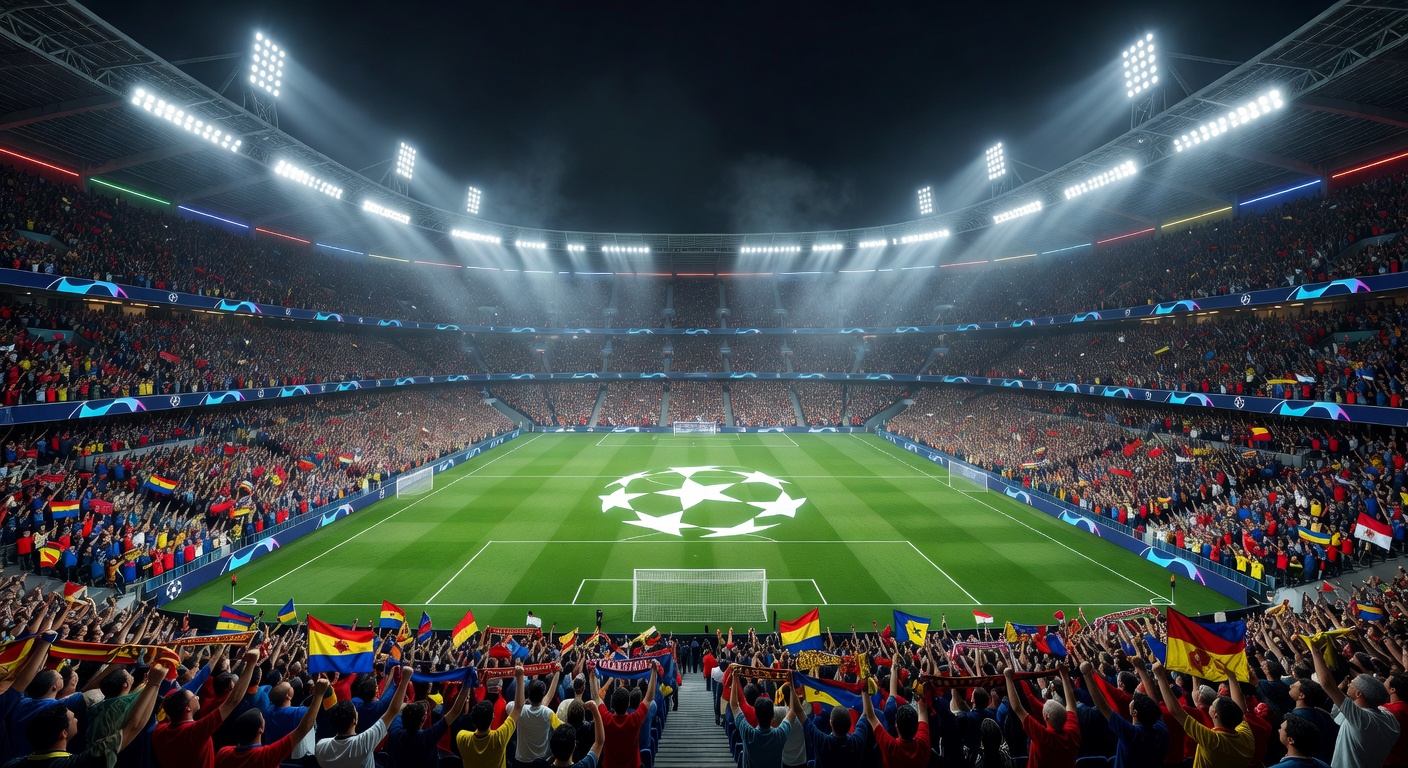
UEFA CHAMPIONS LEAGUE
Champions League Tactical Intelligence Report
Club-by-club analysis, tactical comparisons, group difficulty ratings, and knockout predictions for Europe's most prestigious club competition.
Club-by-club analysis, tactical comparisons, group difficulty ratings, and knockout predictions for Europe's most prestigious club competition.
The Champions League has undergone its most significant structural change in decades. The new Swiss model replaces the traditional group stage with a single league phase featuring 36 teams. Each club plays eight matches against eight different opponents (four home, four away), with fixtures determined by a seeding system that creates varied and unpredictable matchups.
The top eight teams in the league phase qualify directly for the Round of 16, while teams finishing 9th through 24th enter a two-legged knockout playoff. Teams below 24th are eliminated entirely. This format rewards consistency, as a single poor result can significantly impact a team's standing in the 36-team table.
36 teams play 8 matches each. Top 8 auto-qualify for Round of 16. Teams ranked 9-24 enter knockout playoffs. 189 total matches in the league phase alone.
No more guaranteed six group matches. Every match matters in the combined table, creating higher stakes and more competitive encounters from matchday one.
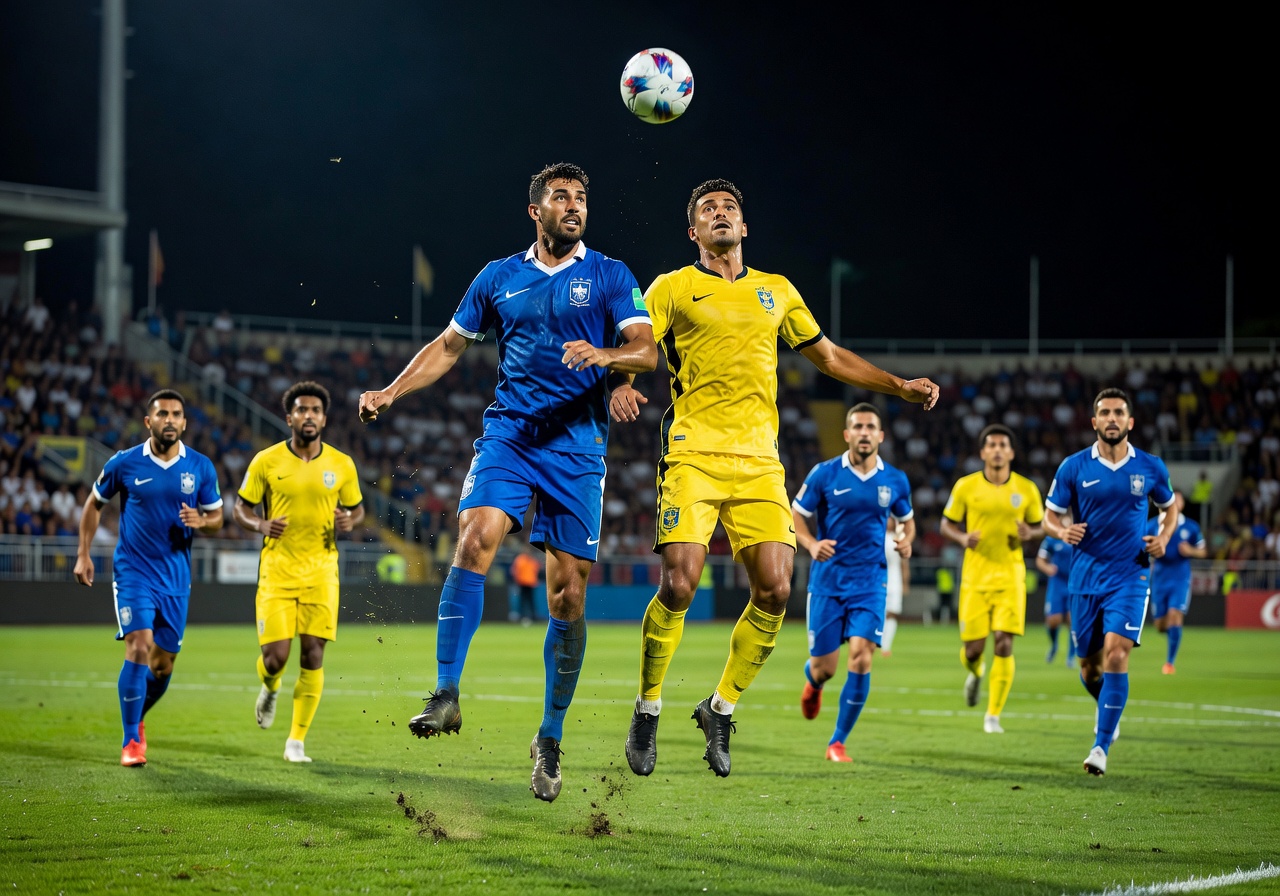
Detailed tactical and squad analysis of the clubs most likely to lift the trophy.
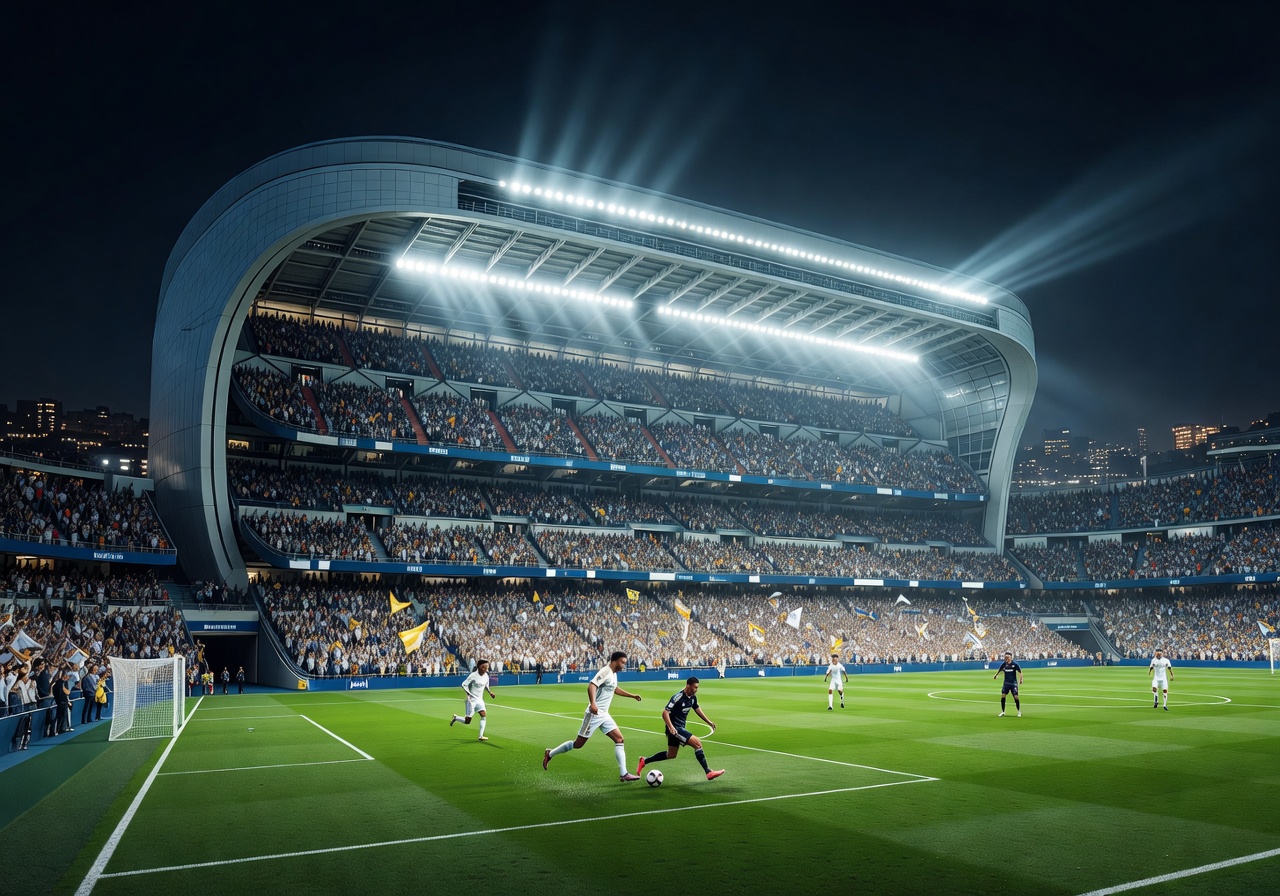
Carlo Ancelotti's side combines individual brilliance with tactical flexibility. The addition of Mbappé to an already stacked attack featuring Vinícius Jr. and Bellingham creates the most fearsome forward line in European football. Their Champions League DNA — 15 titles — gives them an unmatched psychological edge in knockout situations.
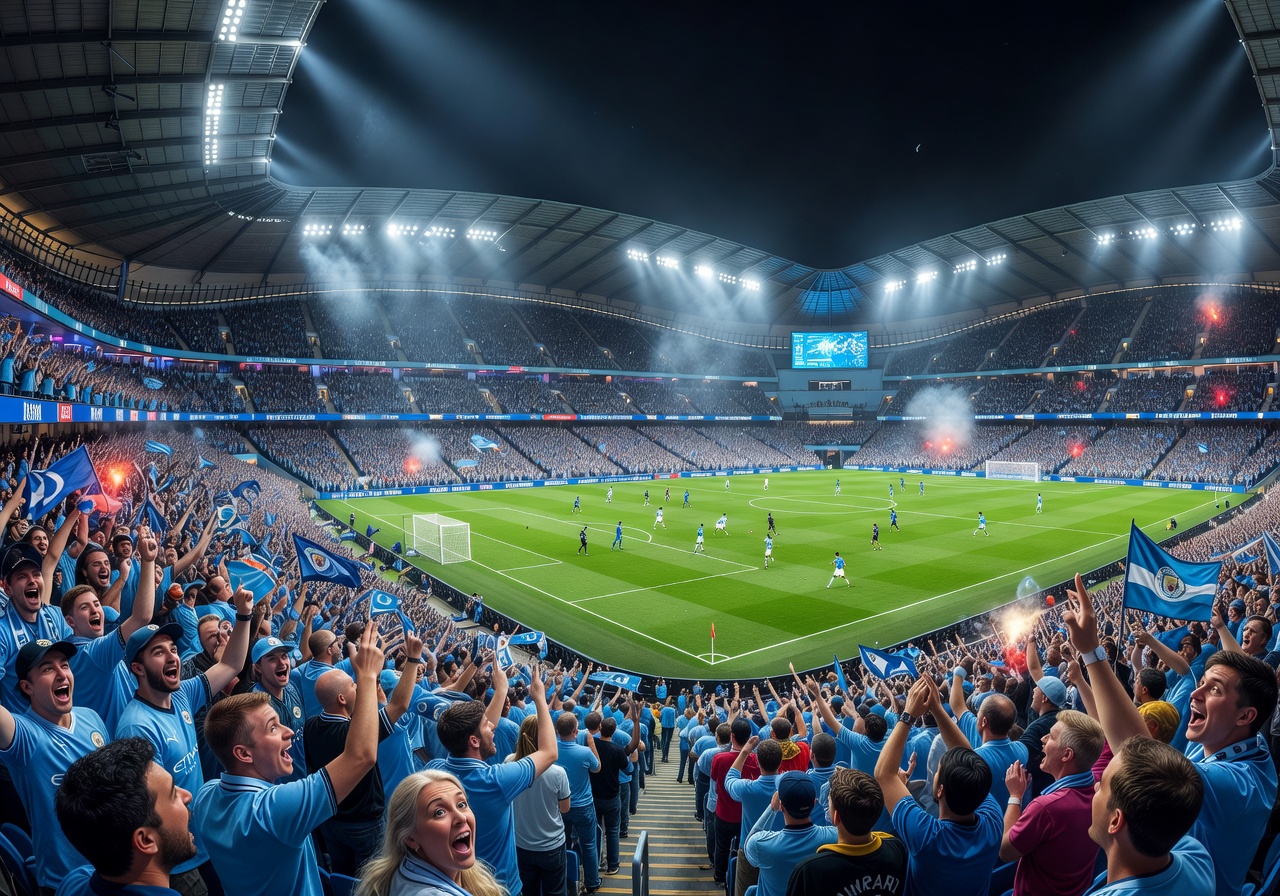
Guardiola's positional play system remains the benchmark for tactical football. City's ability to control matches through midfield superiority, create numerical advantages through positional rotations, and suffocate opponents with sustained pressure makes them perpetual favorites. Haaland's presence adds a direct goal threat that previous Guardiola teams lacked.
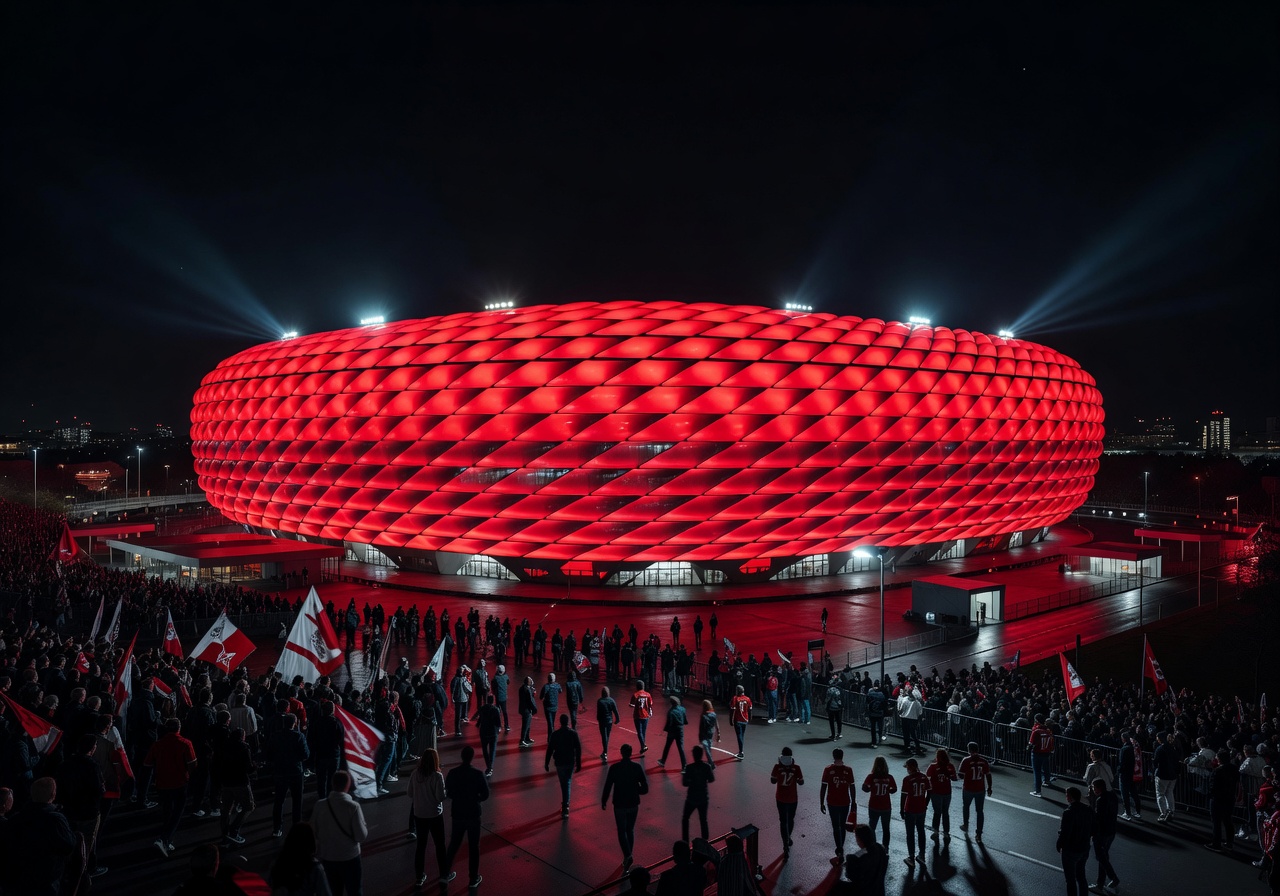
Bayern's system under Vincent Kompany blends aggressive pressing with controlled possession. The Bavarians have reinvested heavily in their squad, building a younger, more dynamic side that maintains the club's tradition of Bundesliga dominance while chasing the Champions League trophy that has eluded them in recent seasons.
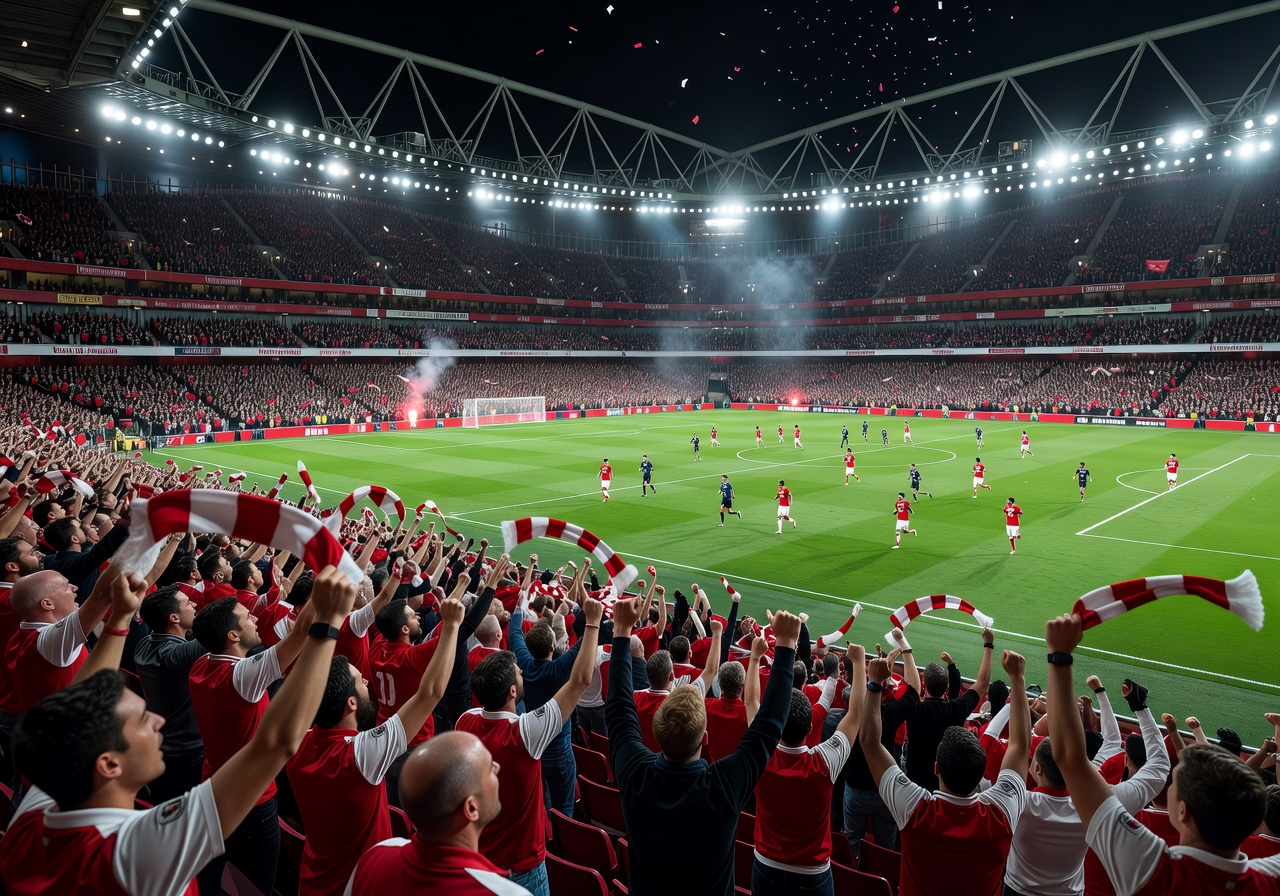
Mikel Arteta has built Arsenal into one of Europe's most balanced teams. Their defensive solidity — conceding the fewest goals in the Premier League — provides the foundation for Saka, Ødegaard, and Havertz to create and score. Set-piece proficiency adds another dangerous dimension.
The new format creates fascinating matchups between league phase qualifiers and playoff winners. Teams finishing in the top eight — likely including Real Madrid, Manchester City, Barcelona, and Bayern Munich — will face opponents who had to survive an additional two-legged playoff round, giving the higher-seeded clubs a rest advantage. However, playoff survivors often carry momentum and battle-hardened resilience into the Round of 16.
Our model projects Real Madrid, Manchester City, Bayern Munich, and Arsenal as the four strongest quarter-final candidates, with Barcelona, Inter Milan, PSG, and Borussia Dortmund providing serious competition. The quarter-finals often produce the most dramatic moments in Champions League history, and the tactical chess matches between elite managers at this stage elevate the competition to its highest level.
The most likely semi-final configuration pits Real Madrid against Manchester City on one side of the draw, with Bayern Munich facing Arsenal or Barcelona on the other. Real Madrid's Champions League pedigree gives them an edge in the tournament's decisive moments, and our analysis projects them as marginal favorites to lift the trophy, with Manchester City the most likely challenger in what could be another all-time classic final.